Four researchers watching German business answers
Rhein Answer Field Lab studies a narrow but costly problem: how AI answer engines cite, translate, flatten, or misplace German companies when business queries move between German and English. The team works from recorded prompts, answer text, visible citations, source paths, and category assignments, with special attention to regional firms, specialist suppliers, and language-transfer errors.
The lab began with a small contradiction in a search room. In a composite early case, the same German manufacturer appeared as a precise specialist in one AI answer, a generic supplier in another, and then vanished when the query was phrased in English. Nothing dramatic happened. No dashboard flashed. The problem sat in the wording, in the citations, and in the way the machine had borrowed a business category from an older public profile.
From that case, the group built a shared routine. They record the prompt, answer text, visible citations, implied source paths, language shifts, and category assignments before making a claim. Mara Stein traces citation sources. Anton Feld compares German and English query behavior. Elise Brandt reviews accuracy and category drift. Jonas Kehl keeps the runs repeatable enough that the work does not become a folder of interesting accidents.
The lab’s position is deliberately narrow. German companies already publish for search, procurement, trade visibility, and local trust, yet answer engines may assemble another version of the company from directories, translated profiles, old listings, and uncited assertions. Rhein Answer Field Lab studies that assembled version. The work is useful because it is modest: no grand promise of visibility, no magic repair language, just careful observation of which business story machines actually learned.
Research team
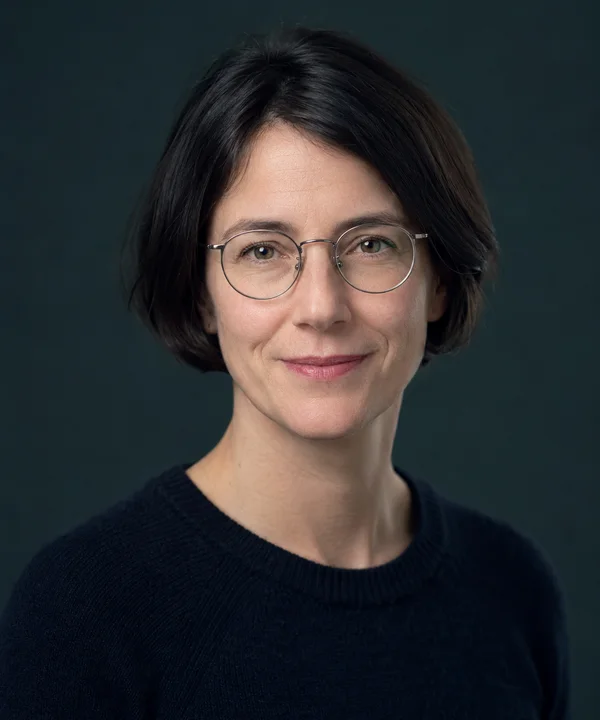
Mapping which source types AI systems cite for German business queries.
Her earlier work covered search documentation, source review, and editorial quality checks for commercial knowledge bases. She tends to follow a claim back to the least glamorous source on the page.

German versus English prompt behavior for the same business, category, or local market.
He previously worked on multilingual content audits and terminology alignment for export-oriented firms. His attention goes to the small translation shift that changes a buyer’s reading.
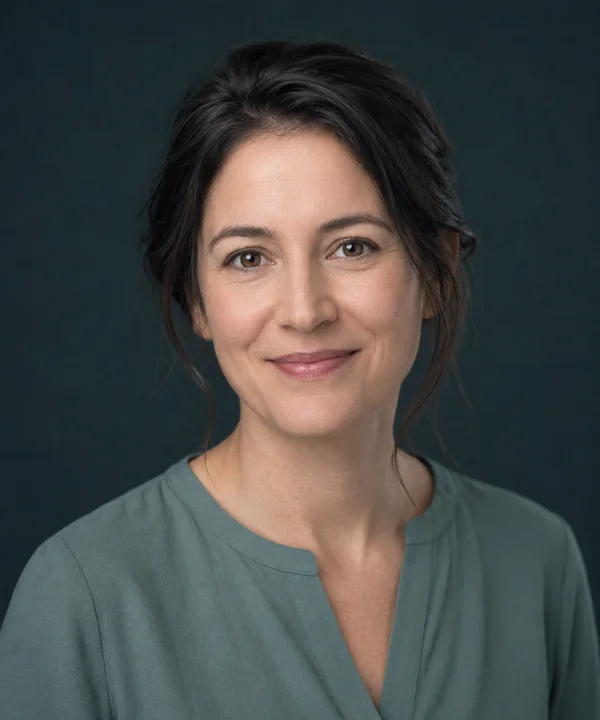
Identifying category drift, brand confusion, unsupported claims, and missing business context in AI answers.
Her earlier work involved product description cleanup, SME profile editing, and practical fact-checking of supplier pages. She is the one most likely to ask whether a confident label is actually earned.

Prompt set design, run logging, comparison tables, and repeatability notes across answer engines.
He previously built internal research workflows for content teams, including sampling rules and revision logs. His work keeps the table legible after the first surprising answer fades.
Give the lab something observable.
A company, a category, a region, and a real query are enough to begin a grounded review.
Contact the lab